Last week, my committee heard from Lindsey Davis of Salt Lake City, owner of Wylder, a women-owned retailer in the outdoor recreational industry. Like many entrepreneurs, Lindsey became successful by combining her passion with what she identified as a gap in the retail market. In her case, this involved developing a platform to sell products made for women and by women.
However, she doesn’t stop there. As is common in the small business-heavy outdoor recreation economy, Lindsey has worked sustainability and environmental responsibility into her company’s mission.
For thousands of American communities like Lindsey’s, the outdoor recreational industry provides job opportunities and an economic boost. In fact, over 144 million Americans participate in outdoor recreation, which in turn directly supports 5.2 million jobs. And small businesses are an essential piece of this ecosystem. According to the Outdoor Industry Association, a trade association of suppliers, manufacturers, and retailers of outdoor products, small businesses make up the backbone of its 1,300 members.
Americans are increasingly turning to the great outdoors for their family vacations and recreational pursuits. So much so that in 2018, for the fourth consecutive year, visits to national parks exceeded 300 million recreational visits.
When you or your family last visited a national park, chances are you encountered and even shopped at several small businesses along the way. Small firms are so embedded in the recreational industry that according to the U.S. Forest Service, they, together with more than 5,000 outfitters and guiding companies, benefit from the proximity, availability, and access to national forests.
As chairwoman of the House Small Business Committee, it is my duty to give small businesses a voice in Congress and to shape policies and support industries that promote their long-term viability and success.
Often, this job requires me to look at the big picture. In this case, I believe federal lawmakers must understand the central relationship between economic prosperity and environmental stewardship. Healthy public lands along with clean air and water are the basic infrastructure of outdoor recreation, and without them small businesses in this industry cannot survive.
Despite record visits and growing interest, congressional support for public lands has been lackluster. The U.S. forest service is facing a deferred maintenance backlog of more than $5.2 billion. We can and must do better to provide support for recreational infrastructure and public lands.
Above all, perhaps the most existential threat to the outdoor recreational industry is a warming planet, erratic and worsening natural disasters, and other consequences of climate change.
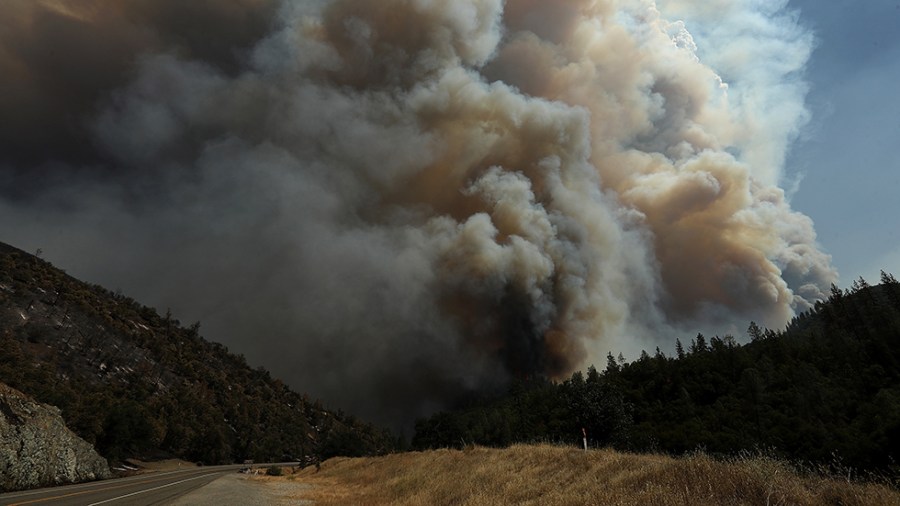
As I write this, the Kincade fire has swept over 77,000 acres and burned over 200 structures in California’s beloved wine county. This area is home to 20,000 hospitality professionals and an economy fueled by small businesses that feed, lodge, and provide outdoor opportunities for Sonoma County’s 7.5 million annual visitors. According to the experts, the conditions causing the Kincade and similar fires in California are made worse by climate change.
On a personal level, growing up in Puerto Rico I was blessed with some of the most beautiful hiking trails, beaches, and national forests that our planet has to offer. However in 2017, I saw firsthand the devastation of Hurricane Maria, the second Category 5 hurricane to hit the Caribbean in less than two weeks that September. Among the many costs of these hurricanes, including the tragic loss of human life, was a devastation of the island’s infrastructure and natural wonders. Yet again, disaster shuttered the doors of local outdoor recreational businesses that were fueling jobs and communities across the island.
So much is clear—if Congress refuses to commit necessary resources to fight climate change and supporting conservation programs, our small businesses, our planet, and our nation’s future generations will suffer.
At our hearing, Lindsey put it best when she said, “small businesses like mine are taking things into our own hands to address the health of our public lands and waters but can’t do it alone.”
Let her words be encouragement to my colleagues that taking care of our environment supports the millions of small businesses in outdoor recreation that are creating jobs and healthy communities.
Velazquez is chairwoman of the House Small Business Committee.